Meet Anton
I built real friendships.
From scratch.
I moved to a city where I knew no one. Now I help men take charge of their social lives.
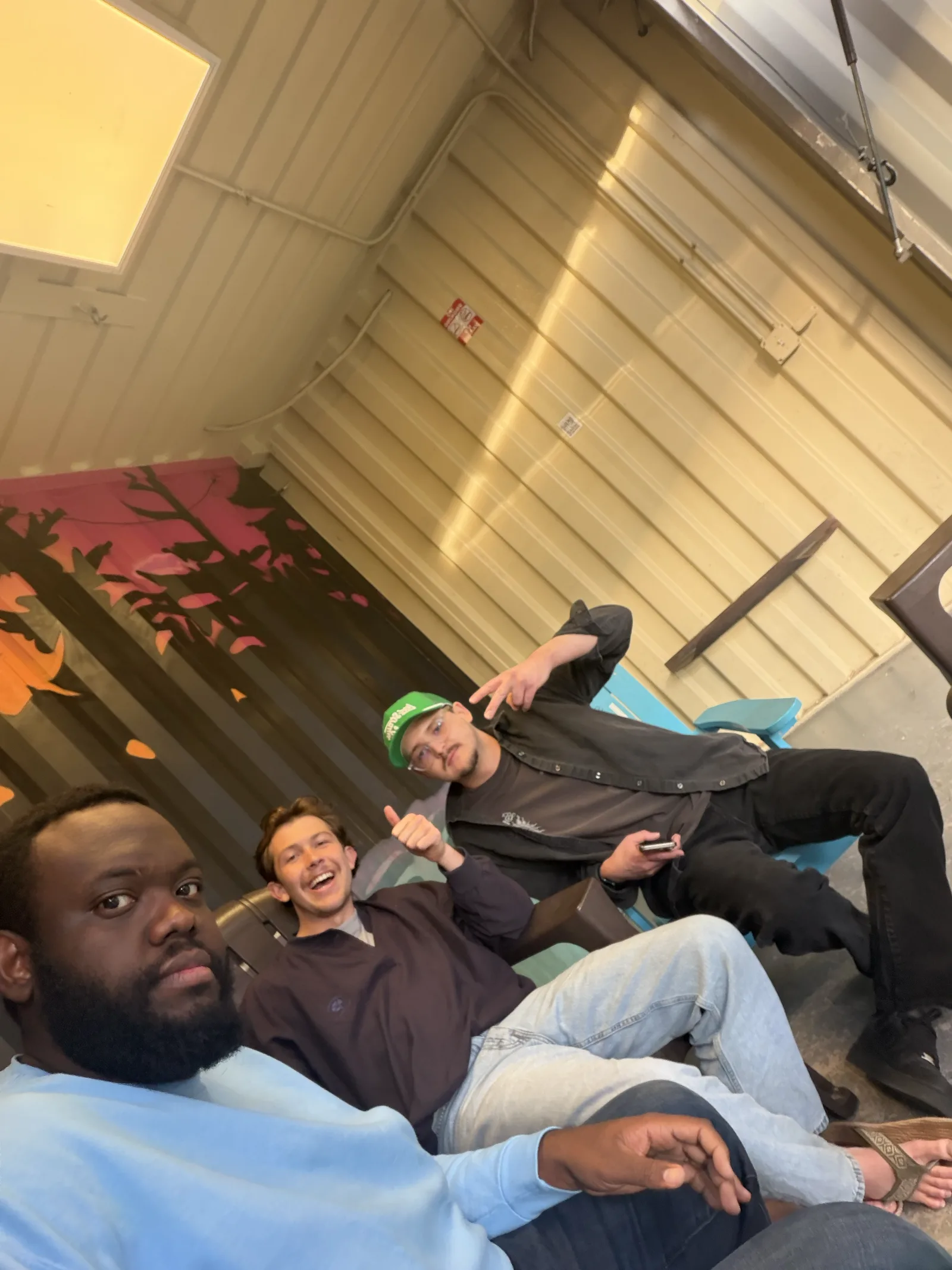
I moved to a city where I knew no one, and I built real friendships from scratch.
I used to live that work, home, phone life too. So when I talk about helping men go out and make friends, I'm talking about something I've had to do myself.
I kept going to the same places. I met people, started conversations, and made plans to see them again. That's how I built the friendships I have today.
I kept showing up.
When I got into comedy, I kept going to the same mics. I saw the same guys at least three times a week. After the mics, we would hang out. If it was somebody's birthday, we would go.
Two of my best friends, I met through church. After I met Brandon, I suggested weekly reading calls. He was down, and we had a reason to keep talking and getting to know each other.
Jeremy I saw at church every week for a long time before we ever hung out. When the church was closing, I knew if I didn't do something, I would lose touch with him. So I brought up a weekly accountability group. He said he was thinking about the same thing.
That's where Stranger to Friend comes from. Proximity creates opportunity. Interaction creates familiarity. Repetition creates connection.
You see somebody again. You talk to them. And if you want to build a friendship, somebody has to make a plan to keep seeing each other.
Why I'm doing this
My mission is to build brotherhood again and bring back connection.
I had to learn how to talk to people.
Door-to-door work gave me more than 10,000 conversations to learn from. I had to notice whether somebody was busy, open to talking, or wanted me to leave.
I learned how to start a conversation, listen, ask questions, and handle the awkward moments. And I had to use those skills with the next person I met.
You can't have human connection without social skills. Those conversations helped me practice the skills. Building my friendships taught me how to keep the connection going.
I want men to know they can do this.
I want men to feel capable of going out, making friends, and building a social life they actually want to be part of. Having people to call. Having somewhere to go. Knowing somebody has their back.
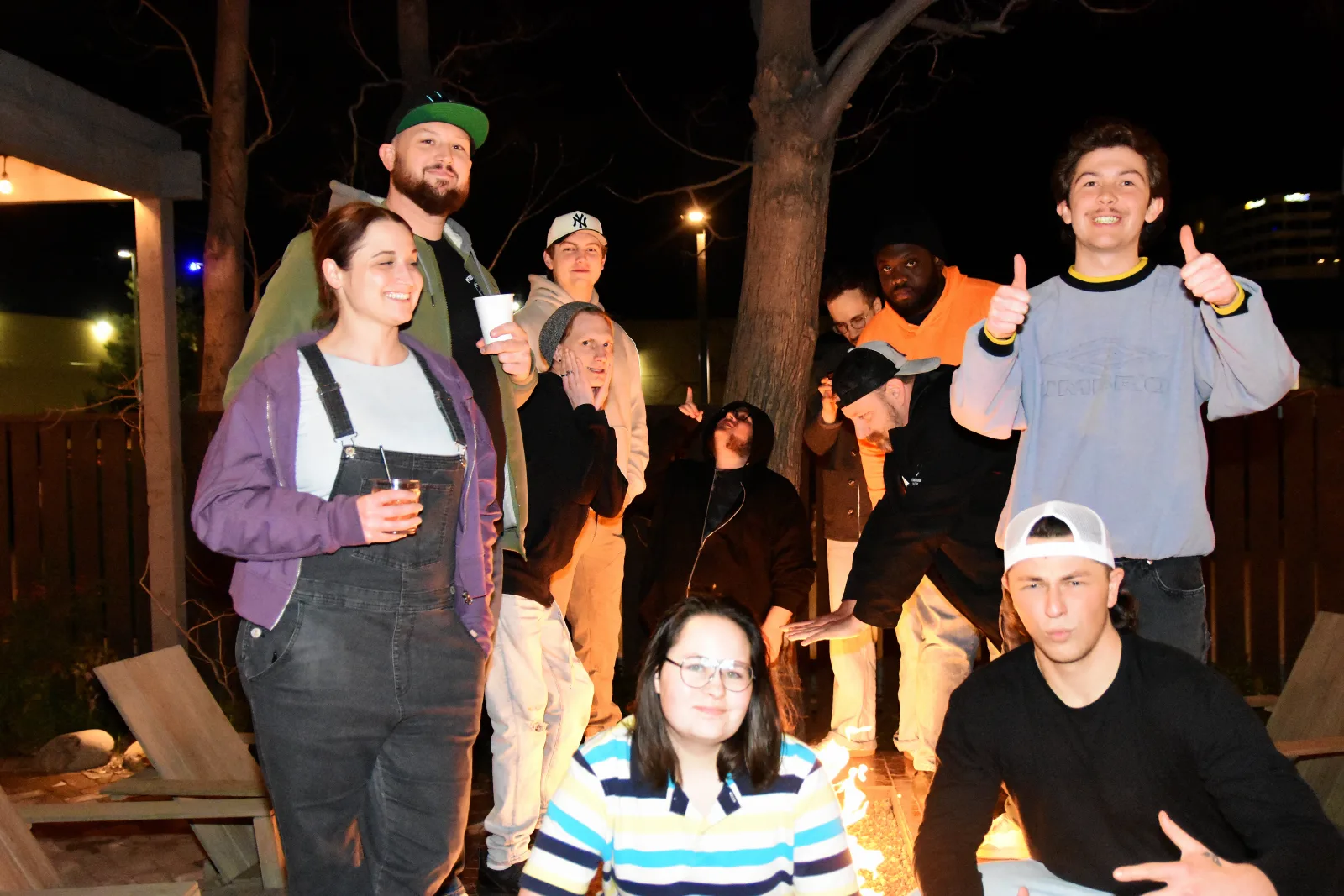
Brotherhood, for me, means being willing to make yourself uncomfortable sometimes so your brother can feel comfortable. Making a sacrifice when he needs you. And knowing he would show up for you too.
I want men to have friendships where they can go to each other, be vulnerable, and ask for help. That's the brotherhood I want to build.
Social Code is where I teach men to build social strength, friendship and brotherhood. How to go out, approach people, have a conversation, and keep seeing each other. Things you can learn and practice as you take charge of your social life.
Anton
Follow the work @theantonroweFind your starting point
See where your friendships stall.
Nine questions, then one move you can make this week.
See where your friendships stall